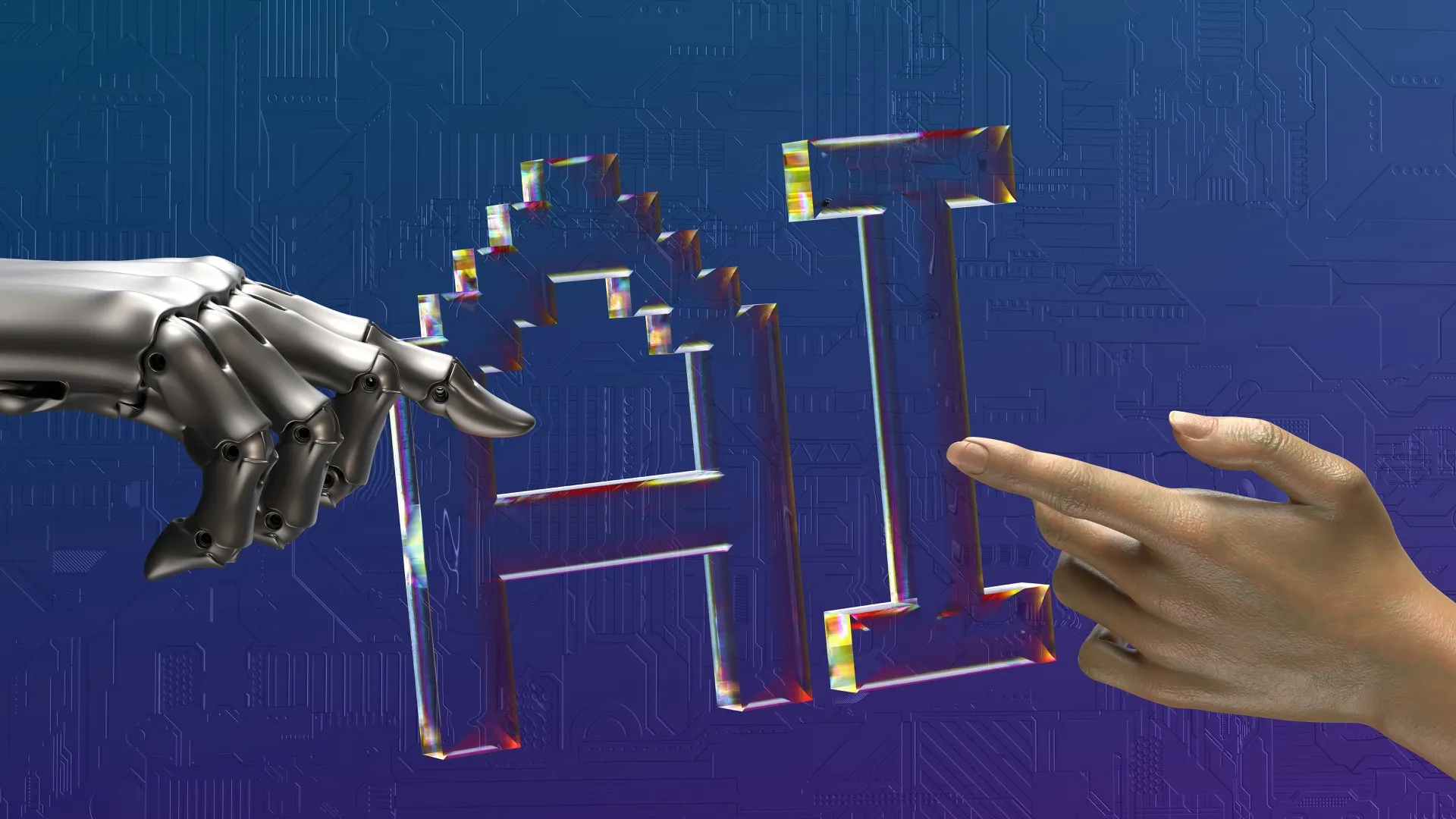
Custom AI & ML Solutions For Nonprofits

When off-the-shelf tools can’t touch your client data or don’t connect to your systems, we build what fits. Grant report drafting from program data, integrations with your case management system and donor CRM, and private models. You own what we build.

The data is already there. It just lives in five places.

01

AI Agents for Repeat Work

Agents that pull program numbers, past proposals, and funder requirements together into a first draft of a grant report or renewal.

02

System Integrations

Connections to the case management system, donor CRM, and shared drives you already use, so staff stop copying data between tools.

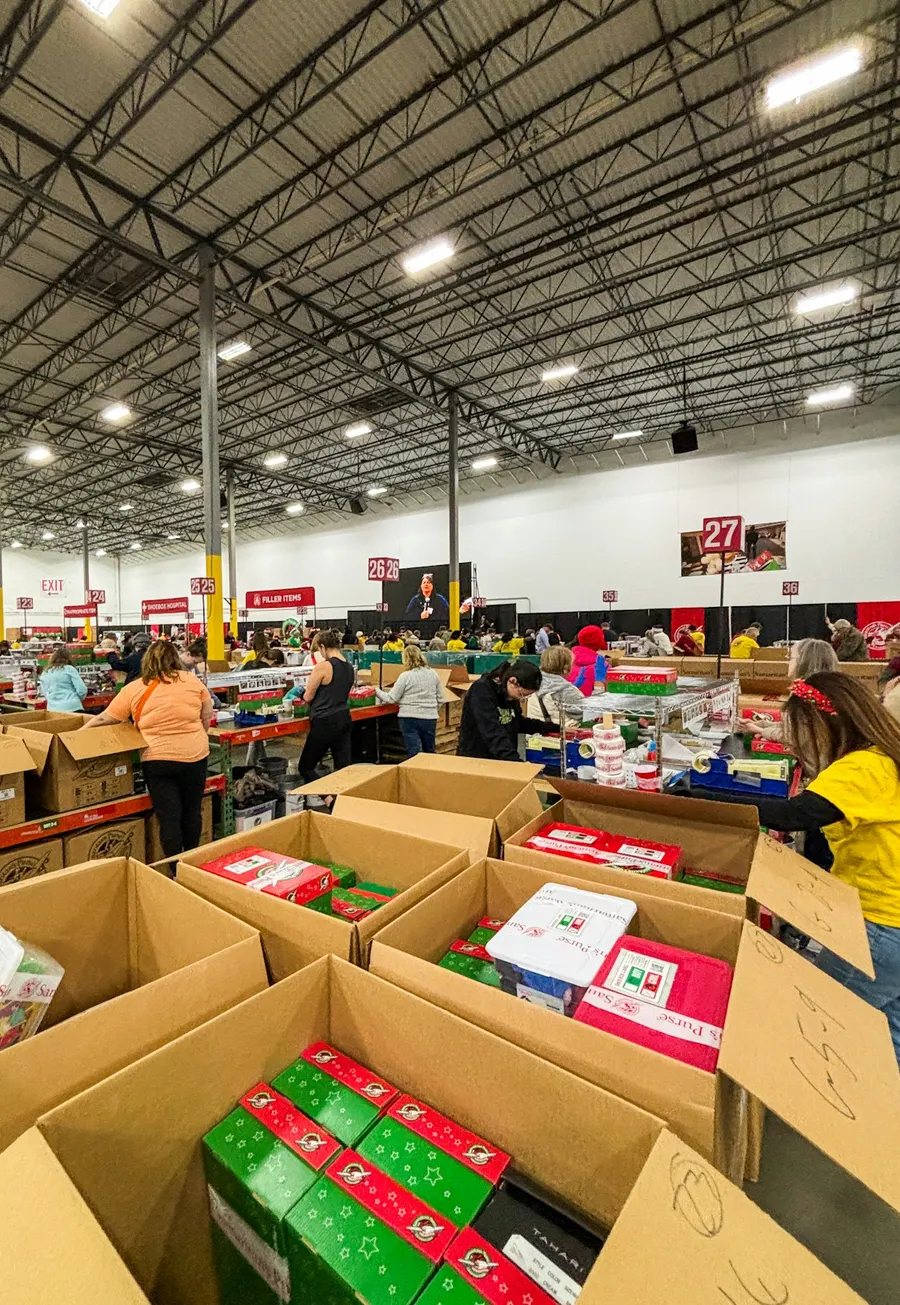
Donation warehouse with packed boxes
03

Private Model Deployments

On-premise or private models for programs with health, substance use, or other sensitive client records that shouldn’t reach public AI services.

04

Search and AI Visibility

Website work so people searching Google or asking AI assistants about your services, volunteer roles, or ways to give find your organization.

Have A Workflow You Want Built?

Custom work is priced per project. Tell us what you want automated and which systems it touches, and we’ll send a scope and a quote.

Custom AI In Practice

Questions, Answered

Can you build on the case management system or donor CRM we already use?

Usually, if the system has an API or a reliable export. We check that during scoping. If a direct connection isn’t possible, we work from scheduled exports rather than asking you to switch systems.

Who owns what you build?

You do. The code, prompts, and configuration are yours, and your data stays in systems you control. We are vendor-neutral and don’t resell software, so nothing is locked to us.

When does a private model make more sense than a cloud AI tool?

When a program holds records your contracts or rules keep away from outside AI vendors, such as some health or substance use records. For most grant and donor writing, an approved cloud tool is enough.

How is a custom project scoped?

After the assessment or a scoping conversation, we write a proposal covering the problem, the systems involved, what gets built, and how staff will review the output. Work starts once you approve it.