

How to Write an AI Usage Policy for Your Small Business (With Template)
A practical guide to writing an AI usage policy your team will actually follow, with a plain-language starter template covering approved tools, data rules, and disclosure.

SafeLab AI Engineering helps marketing, creative, and PR agencies use AI to ship more client work with less busywork, while keeping client data safe and every brand on voice.


AI fits into your project management, ad platforms, and review process without slowing down client work.
Client contract terms, confidential data, FTC review rules, and likeness consent are built in, with a policy every team can follow.
Every engagement includes former senior tech leads and engineers from leading tech companies.

A practical guide to writing an AI usage policy your team will actually follow, with a plain-language starter template covering approved tools, data rules, and disclosure.
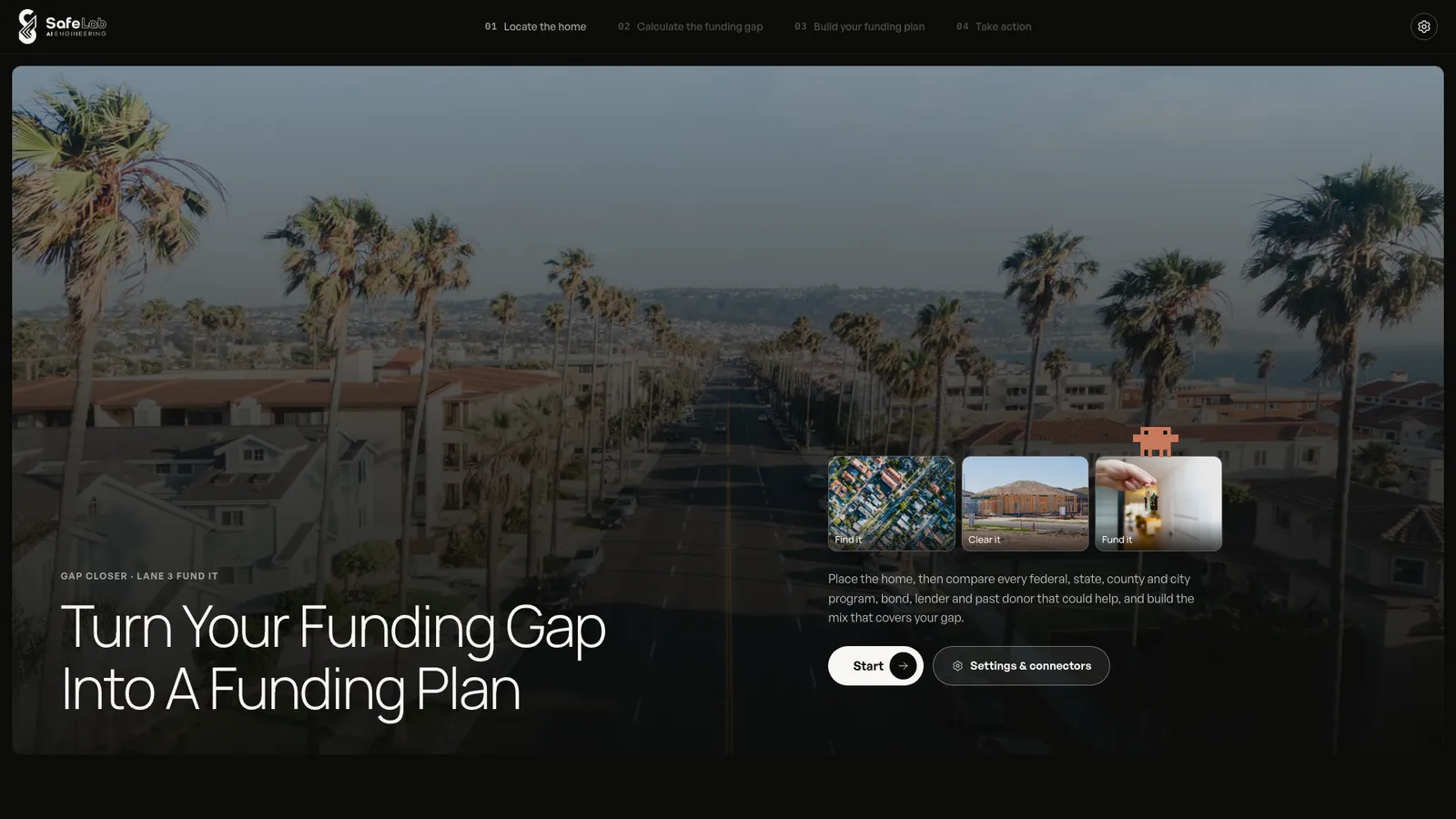
Gap Closer helps affordable housing nonprofits find and write every funding ask for a home. We estimate it saves about 62 staff hours and $2,200 per project in grant search and writing, plus about $1,800 in holding costs for each month the gap closes sooner.
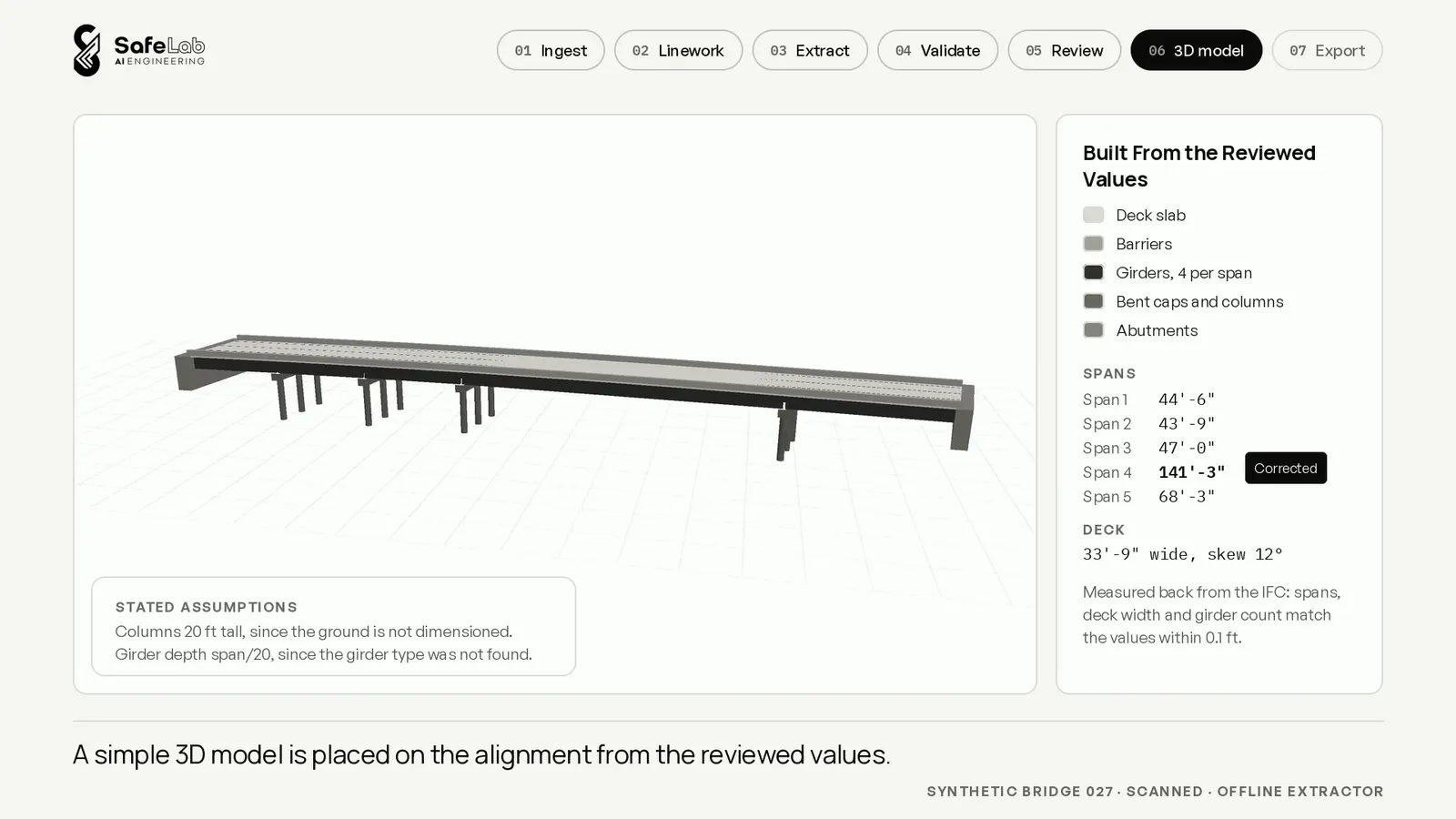
A bridge engineering firm asked whether its as-built PDFs, many of them scans, could become editable CAD and a 3D model. We built a pipeline that outputs layered DXF, an IFC 4x3 bridge model, and LandXML, and sends every uncertain value to an engineer before export.
Agencies with 5 to 200 people: full-service and digital shops, creative and branding studios, PR firms, performance media and SEO teams, and content and social agencies. Each has drafting and reporting work AI can take on, and client data that needs approved tools.
It depends on each contract. Some MSAs require disclosure or client approval before AI is used, some ban AI imagery, and many say nothing. The assessment reads your standard terms and key client contracts, flags AI clauses for your attorney, and turns them into rules your team can follow.
Only into a tool your agency has approved for client work. Free consumer accounts may train on what you paste, and briefs hold unreleased launches, customer lists, and performance data. We usually approve one business tool and give everyone a one-page rule.
U.S. Copyright Office guidance says prompts alone do not make you the author of AI output. Human selection, arrangement, and edits can be protected. Clients expect to own deliverables, so we set up review and editing steps that document the human work. Contract wording stays with your attorney.
No. Since October 21, 2024, the FTC’s rule on reviews and testimonials bans fake reviews, including AI-generated ones, and the FTC can seek civil penalties. AI can draft review requests and replies to real reviews. Paid endorsements still need clear disclosure.
Not without consent. California Civil Code 3344 makes it unlawful to use a person’s name, voice, photograph, or likeness in advertising without consent. Treat AI look-alikes and cloned voices of real people the same way, and get a written release before the work starts.
Give the tool each client’s style guide, approved examples, and banned claims, and keep each client in its own workspace. A person edits every draft before it ships. For large accounts, a custom assistant can hold each brand’s rules.
No. AI handles first drafts, variations, resizes, and report narratives. Your people keep the strategy, the creative judgment, and the client relationship. AI drafts, people decide.
Our team is based in Irvine and most clients are in Orange County and greater Southern California, where we can train your team in person. Remote engagements work fine for the assessment and On-Going Support.
It starts with a 30-minute kickoff meeting over video or in person, then a written proposal, then the on-site AI Strategy & Assessment: a tool and vendor review, a client data and contract review, a written AI usage policy, and a prioritized roadmap.
Plus exclusive invites to our events to learn and connect with other forward-thinking business leaders.
Questions about AI at your agency? Send us a message and we’ll reply within one business day.